
EXPLORE OUR BLOG
Here you will find a lot of information to better understand performance and health measurements as well as tips about racehorse training and well-being.
LATEST ARTICLES
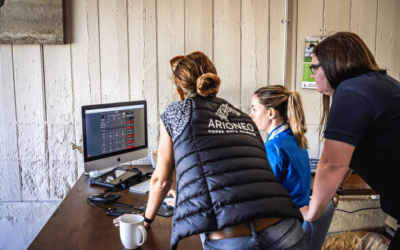
Feature #3 – Intermediate times
The intermediate times table gives you a breakdown of your horse’s training. EQUIMETRE automatically detects gaits and will automatically show you the work period.
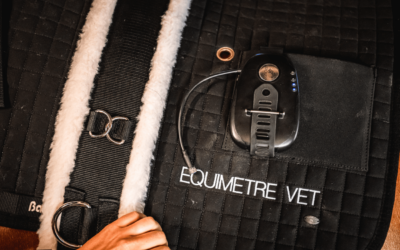
Feature #2 – The analytics tool
Available to EQUIMETRE Pro customers, this feature enables more detailed and advanced analysis of the parameters collected by EQUIMETRE. This table is available exclusively to Pro customers.
Christopher Head’s EQUIMETRE experience
On the occasion of a photo shoot at Christopher Head’s stables in Chantilly, we chatted about his use of EQUIMETRE.
John Ortiz’s Equimetre experience
We had the chance to talk with John Ortiz, thoroughbred trainers in the United States. He shared with us his experience with EQUIMETRE, and how he integrated it into their daily work with horses.
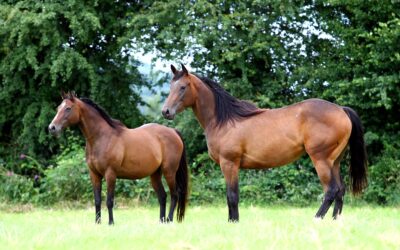
Breaks in racehorses: how to proceed?
The break in a racehorse is a period of rest. With performance being the key to success, the importance of a proper break for horses may arise. In this article, we will explore in detail the concept of the ‘break’ in racehorses and explain why it is a crucial element in maximising their performance.
Michael Keady’s Equimetre experience
We had the chance to talk with Michael Keady, co trainer at Murphy and Keady Racing. He shared with us his experience with Equimetre, and how he integrated it into their daily work with horses.
BROWSE AMONG OUR CATEGORIES

Equine Physiology

Testimonials

Racehorse training

Young racehorses

Health & Science

Standardbreds
EQUINE PHYSIOLOGY
No Results Found
The page you requested could not be found. Try refining your search, or use the navigation above to locate the post.
RACEHORSE TRAINING MONITORING
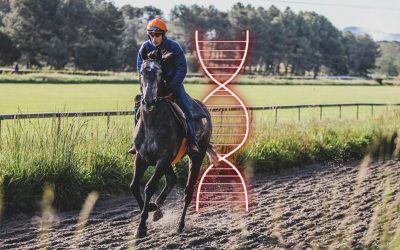
Will racehorse genetics studies revolutionize the horse racing industry?
Discover studies and works realized up to this day on racehorse genetics. With our constantly improving knowledge of the subject, it might shape tomorrow’s horse racing industry.
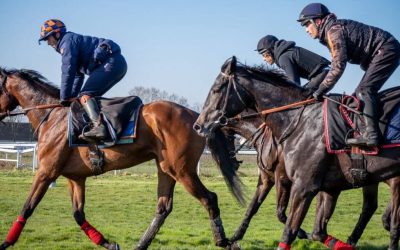
How to individualize your racehorses’ training thanks to data?
As each racehorse is unique, training adaptation should be consistent. Thanks to data, it is now possible to anticipate and solve some problems that would be undetectable without the help of technology.

Ciaron Maher Racing: creating a Sports Science unit
Expectations, reality and results in creating a Sports Science unit in a racing stable. Discover Ciaron Maher Racing’s experience with EQUIMETRE and Arioneo.
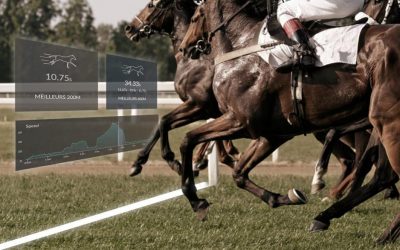
7 reasons to train racehorses with a finish line
You want to train your racehorses with a connected finish line ? Discover 7 good reasons to adopt this technology thanks to Arioneo !
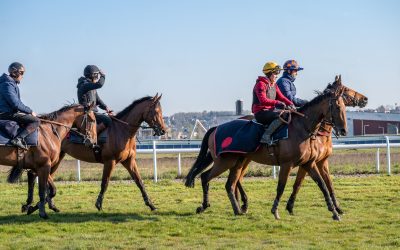
Compare two debutant horses : How to use it ?
Discover how to compare two debutants horses to enter them at the right time and on the right race. This very important step allows you to ensure the safety and performance of your racehorses.
Introduction to balneotherapy for athlete horses
This article puts to light the novator balneotherapy treatments for horses. Wether it is used for recovery, wellbeing or performance, this method is gaining in momentum. Discover the pros and cons of this athlete horse healthcare method.
EQUINE HEALTH & SCIENCE
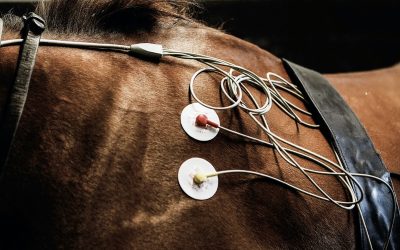
Atrial fibrillation among racehorses : impact, recurrence and consequences
Atrial fibrillation atriale is frequent among racehorses. This form of arythmia decreases a horse’s performances and endangers their health. Discover how to detect and prevent it!
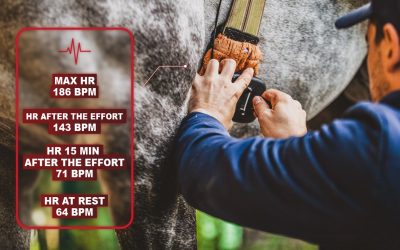
How to detect myocarditis in the racehorse thanks to equine technologies?
How can the monitoring of a racehorse’s heart rate help in detecting a myocarditis? Detect cardiac pathologies at early stages thanks to the longitudinal follow up of athlete horses.
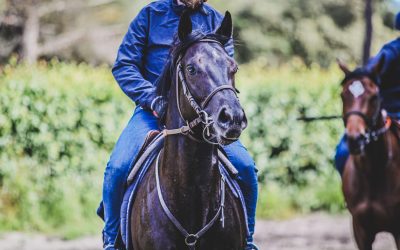
How to prevent pathologies in racehorses? Two concrete examples
Early pathologies detection in racehorses is a challenge for the horse racing industry. Discover data driven concrete example from the EQUIMETRE community.
YOUNG RACEHORSES MONITORING
No Results Found
The page you requested could not be found. Try refining your search, or use the navigation above to locate the post.
STANDARDBREDS TRAINING
No Results Found
The page you requested could not be found. Try refining your search, or use the navigation above to locate the post.
TESTIMONIALS
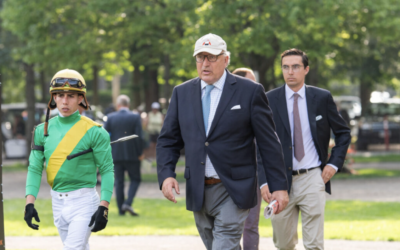
Christophe and Miguel Clement’s Equimetre experience
We were lucky enough to meet Christophe and Miguel Clément, trainers at Saratoga Park, New York. They told us about their experience with Equimetre and how they integrate it into their daily work with horses.
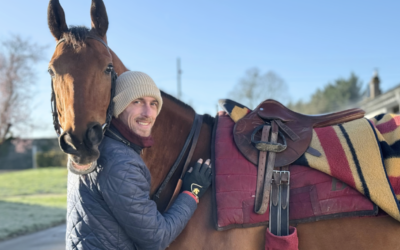
Glen Braem’s Equimetre experience
During a video conference interview, Arioneo’s team had the opportunity to speak with Glen Braem and discuss his use of Equimetre.
Antoine de Watrigant’s Equimetre experience
Antoine De Watrigant, trainer at Mont-de-Marsan, in the south-west of France, find out how he uses Equimetre and data.